
Frequently Asked Questions
Below is a list of common frequently asked questions about Reiki. If you have any questions that are not covered, please send us a message and we'll get back to you ASAP.
What is Reiki?
Reiki is a gentle, holistic energy healing practice that originated in Japan. The word Reiki comes from two Japanese words:
Rei = universal or spiritual wisdom, and
Ki = life force energy
the vital energy that flows through all living things. Together, Reiki can be understood as universal life energy.
During a Reiki session, this energy is channeled to support the body’s natural ability to heal itself. Reiki works on physical, emotional, mental, and energetic levels, helping to restore balance, encourage relaxation, and promote overall wellbeing.
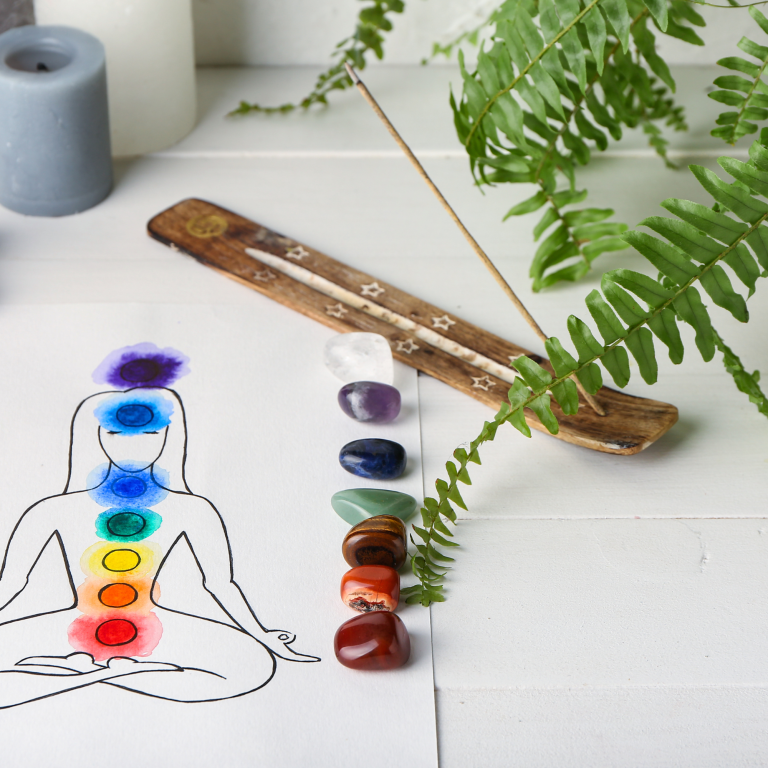
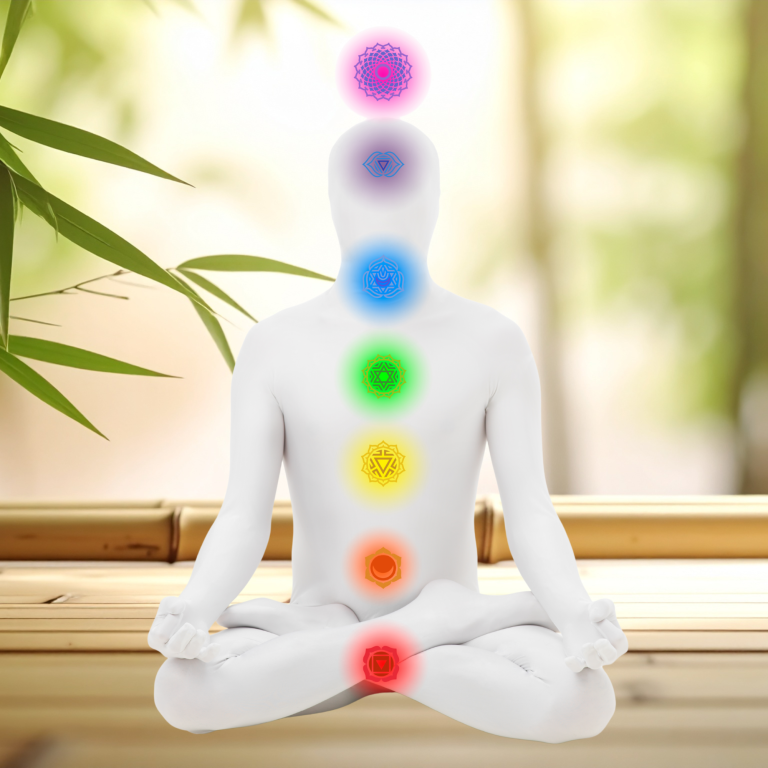
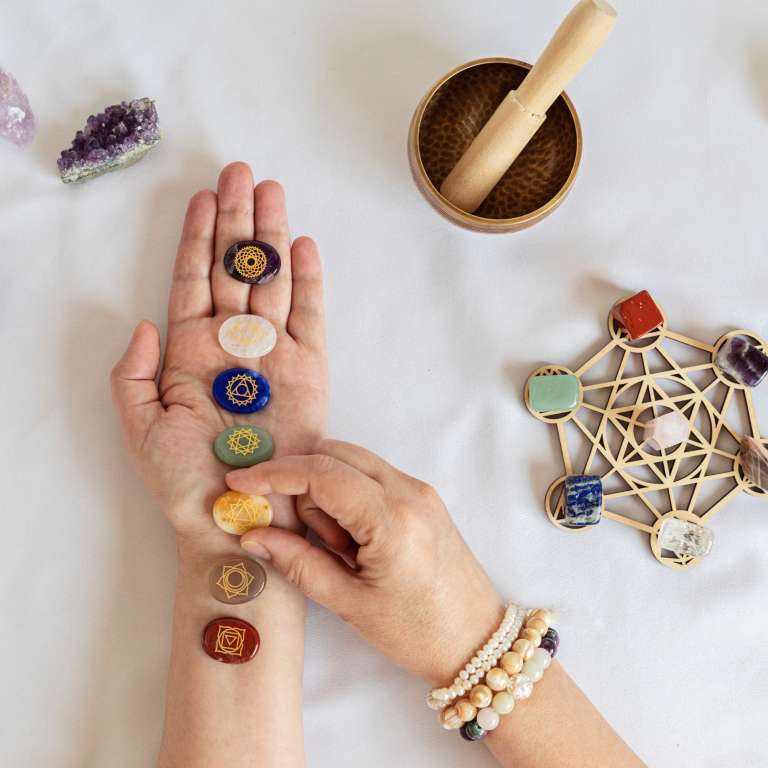
Reiki also works with the body’s chakra system. Chakras are energy centres that run along the spine, from the base of the body to the crown of the head.
Each chakra is associated with different physical functions, emotions, and aspects of consciousness. When energy flows freely through the chakras, we tend to feel balanced and aligned.
When energy becomes blocked or depleted, it may contribute to discomfort or emotional imbalance. Reiki helps to gently clear, balance, and support the chakras, allowing energy to flow more harmoniously throughout the body. This can lead to a sense of calm, clarity, grounding, and renewed vitality.

What conditions can Reiki help with?
Reiki may support people experiencing:
- Stress, anxiety, and overwhelm
- Emotional healing and low mood
- Fatigue and burnout
- Sleep difficulties
- Pain or tension
- Recovery after illness or medical procedures
- Spiritual growth and self-awareness
Reiki does not diagnose or cure illness, but it can support the body and mind in returning to balance.
What if I have other medical conditions?
Reiki is a complementary therapy and can be safely received alongside medical treatment. It does not interfere with medications or clinical care. If you have a diagnosed medical condition, Reiki can support relaxation, emotional wellbeing, and stress reduction, but it should never replace advice or treatment from a qualified healthcare professional.
Should I consult a doctor before having Reiki?
In most cases, no. Reiki is a non-invasive complementary therapy and is safe for most people. However, if you have a serious or ongoing medical condition, are pregnant, or have concerns about your health, it’s always wise to consult your doctor. Reiki should never replace medical diagnosis, treatment, or professional healthcare advice.
How many sessions will I need?
This varies from person to person. Some people feel noticeable benefits after one session, while others choose regular sessions for ongoing support. Chronic issues, emotional healing, or long-standing stress often benefit from a series of sessions. I’m always happy to discuss what might work best for you.
What happens during a live remote Reiki session?
In a live remote session, we agree on a set time and connect energetically while you relax at home. You may choose to lie down or sit comfortably. Some clients like to meditate or rest during the session, while others simply go about quiet activities. Afterward, I’ll share any intuitive feedback or observations if appropriate.
What happens during a distance Reiki session
(not at the same time)?
In a distance session where we’re not connected live, I carry out the Reiki at the agreed time on your behalf. You don’t need to do anything specific, many people continue with their day or choose to rest. The energy is still received, even if you’re unaware of it at the time. You may notice shifts or sensations later, or feel calmer and more balanced over the following days.
Will I be undressed during a session?
No. You remain fully clothed at all times. For in-person sessions, you’ll usually lie down comfortably (or sit if preferred). For remote or distance Reiki, you can be anywhere you feel safe and relaxed.
Does Reiki hurt?
No. Reiki is a very gentle and non-invasive practice. Most people experience it as deeply relaxing. Sensations vary, some feel warmth, tingling, heaviness, or lightness, while others simply feel calm and peaceful.
How can I prepare for a Reiki session?
Preparation is simple. Try to drink water beforehand, wear comfortable clothing, and give yourself time to relax before the session. You may find it helpful to set an intention, such as inviting calm, clarity, or healing. For remote or distance sessions, choose a quiet space where you feel safe and undisturbed, though this isn’t essential, Reiki will still work regardless.
What happens after a Reiki session?
After a session, many people feel deeply relaxed, lighter, or more emotionally balanced. Some experience increased energy, vivid dreams, emotional release, or subtle shifts over the following days. It’s common to feel thirsty, so staying hydrated is encouraged. Gentle self-care, rest, journaling, or spending time in nature—can help integrate the healing. Each person’s response is unique.